Energy costs represent one of the largest controllable expenses facing Kansas businesses today. While you can’t control utility rates or weather extremes, you can significantly reduce the amount of energy your business consumes through intelligent management systems.
Smart energy management transforms how your business uses electricity, heating, and cooling by automatically optimizing consumption patterns based on occupancy, schedules, and environmental conditions. This shift in technology from reactive to proactive energy control delivers measurable financial benefits while improving operational efficiency.
Significant Cost Reduction and Improved Profit Margins
Energy management systems typically reduce business energy consumption by 20-40%, resulting in direct bottom-line savings. A manufacturing facility in Dodge City reduced its monthly electricity costs from $4,200 to $2,680 by implementing automated scheduling and load management, resulting in annual savings of over $ 1,520.
These savings compound over time because energy management systems continuously optimize consumption patterns. Unlike one-time efficiency upgrades, smart management adapts to changing business needs, seasonal variations, and equipment aging to maintain optimal performance.
Commercial buildings waste substantial energy through poor scheduling, inefficient equipment operation, and lack of real-time monitoring. Energy management eliminates this waste by automatically adjusting systems based on actual usage patterns rather than static schedules that don’t reflect business reality.
Advanced systems monitor energy consumption in 15-minute intervals, identifying peak demand periods that drive up utility costs through demand charges. By automatically shifting non-critical loads to off-peak hours, businesses can reduce both consumption costs and demand penalties that can represent 30-50% of commercial electric bills.
Enhanced Operational Control and Automation
Modern energy management platforms provide unprecedented visibility into your business’s energy usage patterns, revealing consumption trends that manual observation cannot detect. This granular insight enables data-driven decisions about equipment operation, space utilization, and operational scheduling.
Automated controls eliminate human error and inconsistency in energy management. HVAC systems maintain optimal temperatures without manual adjustment, lighting systems respond to occupancy and daylight levels, and equipment shuts down properly during non-business hours. This automation reduces staff workload while ensuring consistent energy performance.
Smart scheduling capabilities allow businesses to pre-program energy usage for different scenarios – regular business hours, overtime periods, weekends, and holidays. Systems automatically adjust to these schedules without requiring daily manual intervention, ensuring energy efficiency regardless of staffing changes or schedule variations.
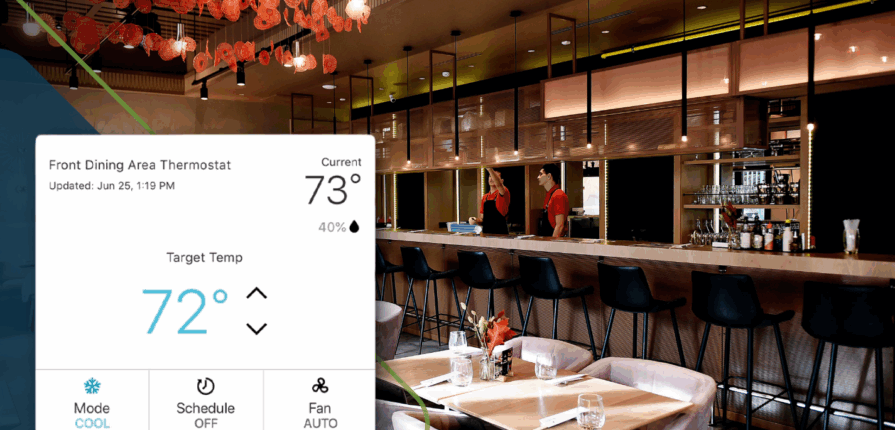
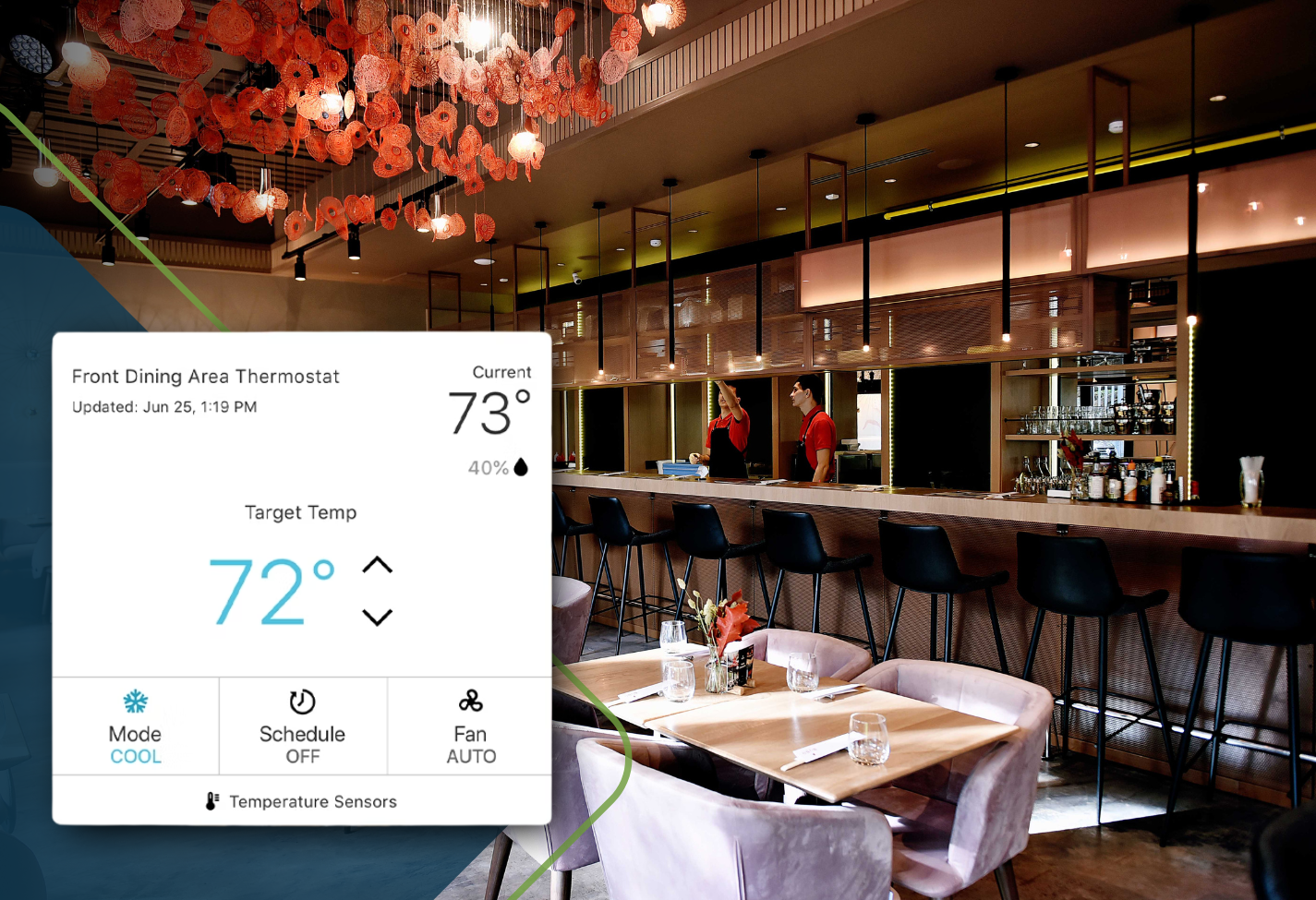
Remote monitoring and control capabilities enable business owners and facility managers to oversee energy systems from anywhere. If systems detect unusual consumption patterns or equipment malfunctions, alerts provide immediate notification, preventing energy waste and potential equipment damage.
Improved Equipment Performance and Longevity
Energy management systems reduce wear and tear on HVAC equipment, lighting systems, and other energy-consuming devices by optimizing their operation cycles. Equipment that runs efficiently experiences less stress, operates at optimal performance levels, and maintains consistent output quality.
Preventive maintenance scheduling integrated with energy management helps businesses maintain equipment before problems develop. Systems track operating hours, cycle counts, and performance metrics to recommend maintenance activities that prevent energy-wasting equipment degradation.
Load balancing capabilities prevent equipment overuse by distributing energy demands across multiple systems when possible. This approach extends equipment life while maintaining comfortable conditions and optimal performance levels throughout your facility.
Temperature and humidity control optimization protects sensitive equipment, inventory, and materials from environmental damage while maintaining energy efficiency. Precise environmental management prevents costly product loss while minimizing energy consumption required for climate control.
Enhanced Environmental Comfort and Productivity
Consistent environmental conditions improve employee comfort, productivity, and satisfaction. Energy management systems maintain optimal temperatures, humidity levels, and lighting conditions without the hot and cold spots common in manually controlled buildings.
Automated lighting control provides appropriate illumination levels for different tasks and areas while reducing eye strain and fatigue. Daylight harvesting systems automatically adjust artificial lighting based on natural light availability, maintaining consistent illumination while reducing energy consumption.
Air quality management integrated with energy systems ensures proper ventilation while minimizing energy waste. Smart ventilation responds to occupancy levels and air quality sensors, providing fresh air when needed without over-ventilating empty spaces.
Zone-based control allows different areas of your business to maintain appropriate conditions for their specific functions. Manufacturing areas, offices, storage spaces, and customer areas can each maintain optimal environments without affecting other zones.
Real-Time Monitoring and Performance Analytics
Comprehensive energy monitoring provides detailed insights into consumption patterns, peak usage periods, and equipment performance trends. This data enables informed decisions about operational changes, equipment upgrades, and planning for expansion.
Benchmarking capabilities compare your business’s energy performance against similar facilities and industry standards, identifying opportunities for improvement and validating energy management investments. Regular performance reports demonstrate the savings achieved and highlight areas for continued improvement and optimization.
Analyzing utility bills in conjunction with monitoring data enables businesses to understand precisely how energy management translates into cost savings. Detailed breakdowns show reductions in consumption charges, demand charges, and other utility fees.
Trend analysis reveals long-term patterns that inform strategic planning and budgeting decisions. Historical data helps predict future energy needs, evaluate equipment replacement schedules, and justify energy efficiency investments.
Scalable Solutions for Growing Businesses
Energy management systems grow with your business, accommodating facility expansions, equipment additions, and changing operational requirements. Modular designs allow businesses to start with basic controls and add advanced features as needs evolve.
Multi-location management capabilities enable businesses with multiple facilities to monitor and control energy usage across all properties from a central platform. This unified approach simplifies management while ensuring consistent energy performance standards.
Integration with existing building automation systems protects previous technology investments while adding enhanced energy management capabilities. Modern systems communicate with various equipment types and protocols, avoiding costly system replacements.
Flexible reporting and analytics adapt to different management needs, providing summary reports for executives and detailed technical data for facility managers. Custom dashboards present relevant information for different user roles and responsibilities.
Compliance and Sustainability Benefits
Energy management systems help businesses meet environmental regulations and sustainability goals while reducing regulatory compliance costs. Automated documentation and reporting simplify compliance processes and provide audit trails for regulatory inspections.
Carbon footprint reduction achieved through energy management supports corporate sustainability initiatives and environmental responsibility programs. Many businesses use energy savings data to demonstrate environmental stewardship to customers, investors, and community stakeholders.
Green building certification programs like ENERGY STAR and LEED recognize energy management systems as qualifying improvements. These certifications can provide marketing advantages, tax benefits, and insurance discounts.
Utility incentive programs often provide rebates and financial incentives for energy management installations. These programs can significantly reduce initial investment costs while accelerating payback periods.
Professional Installation and Local Support
Proper system design and installation ensure optimal performance and maximum energy savings. Professional assessment of your facility’s energy usage patterns, equipment specifications, and operational requirements creates customized solutions that deliver promised results.
Local support provides rapid response to system issues, regular maintenance services, and ongoing optimization assistance. Kansas-based technicians understand regional weather patterns, utility structures, and building characteristics that affect energy management performance.
Training and support services help your staff understand and operate energy management systems effectively. Comprehensive training ensures your team can maximize system benefits while identifying opportunities for continued improvement.
System integration services connect energy management with existing security, fire safety, and building automation systems. This integration creates unified facility management while avoiding conflicts between different system types.
Return on Investment and Financial Benefits
Most commercial energy management installations pay for themselves within 18-30 months through energy savings alone. After payback, systems generate pure profit through continued cost reductions that compound annually.
Utility demand charge reduction often provides the largest single savings component for commercial customers. By managing peak demand periods, businesses can reduce demand charges that can represent 40-60% of total electric costs.
Maintenance cost reduction results from optimized equipment operation and preventive maintenance scheduling. Well-managed equipment requires fewer repairs, experiences less downtime, and operates more efficiently throughout its service life.
Property value improvement occurs when energy management systems are properly installed and documented. Commercial properties with proven energy efficiency command higher values and attract quality tenants more easily.
Commercial Security Company in Kansas
Ready to reduce your Kansas business energy costs by 20-40% while improving operational efficiency? Contact Alert Alarm today for a comprehensive energy management assessment. Our local experts will evaluate your facility, identify savings opportunities, and design a customized solution that delivers measurable results. Don’t let another month of energy waste eat into your profits.

Leave a Reply