
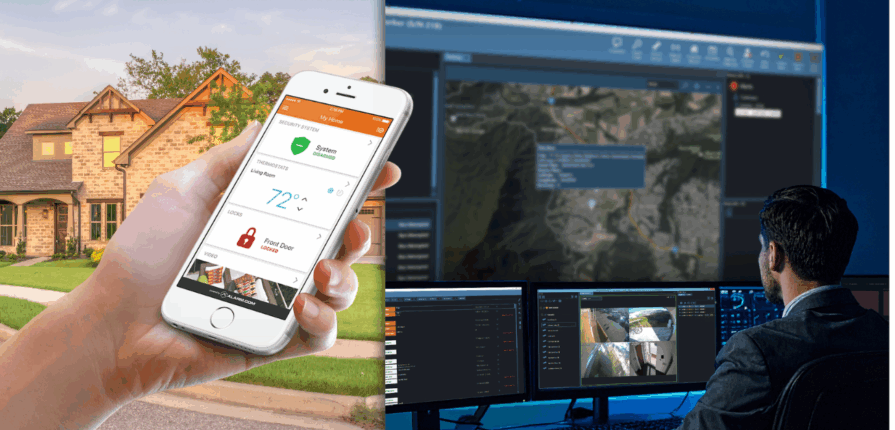
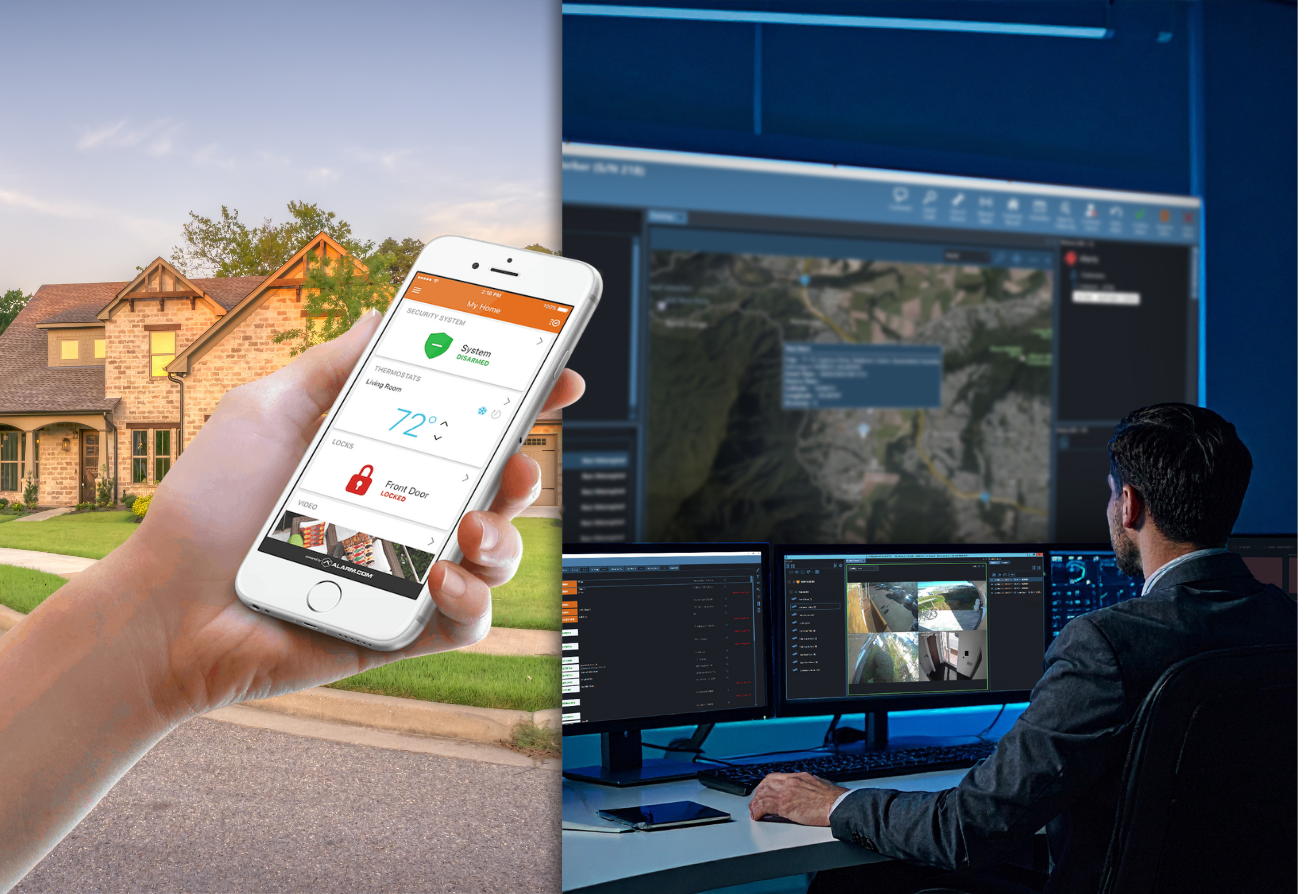
When your security system detects an intruder, every second counts, but who receives that critical alert makes all the difference between swift professional response and hoping you’re available to act.
Security system monitoring represents the communication bridge between your home’s protective technology and emergency response. This connection determines whether trained professionals or you personally handle security alerts, coordinate with authorities, and make split-second decisions during emergencies.
Understanding Central Station Monitoring
Central station monitoring operates through dedicated facilities staffed by certified security professionals who watch over thousands of homes simultaneously. These monitoring centers maintain direct communication lines with local emergency services, creating a seamless response network that functions regardless of your availability or location.
When your Alert Alarm security system detects unusual activity, signals travel instantly to our partnered central monitoring station. Trained operators receive detailed information about your specific system, including which sensors triggered, the type of alert, and your customized response preferences. Within seconds, these professionals begin following established protocols designed to assess the situation and coordinate appropriate responses.
Central stations employ redundant communication systems, backup power supplies, and multiple internet connections to maintain uninterrupted service. Professional operators work in shifts, ensuring someone always monitors your home’s security status. These individuals complete extensive training programs and maintain industry certifications, equipping them to handle various emergency scenarios with expertise and calm professionalism.
The monitoring process involves multiple verification steps. Operators first attempt to contact you using predetermined phone numbers, giving you the opportunity to provide your security code and explain the situation. If they cannot reach you or if you don’t provide the correct code, they immediately contact local authorities with detailed information about your property and the specific type of alert detected.
Self-Monitoring Explained
Self-monitoring places complete responsibility for security alerts directly into your hands. When your system detects activity, you receive notifications through smartphone apps, text messages, or email alerts. You become the decision-maker, responsible for assessing threats, contacting authorities, and coordinating any necessary responses.
This approach relies entirely on your availability and ability to respond quickly. Whether you’re sleeping, in meetings, traveling, or dealing with poor cell service, every security alert requires your immediate attention and action. You must evaluate the seriousness of each situation, determine whether police response is warranted, and make those critical phone calls yourself.
Self-monitoring systems typically provide access to live camera feeds and system controls through mobile applications. You can arm or disarm your system remotely, view real-time footage, and communicate with people at your property through two-way audio features. These capabilities give you direct control over your security system’s operation and allow you to monitor your home from anywhere with internet access.
Modern self-monitoring platforms offer various notification options, letting you customize how and when you receive alerts. You might choose to receive push notifications for all activity, email summaries of daily events, or text messages only for high-priority alerts. This flexibility allows you to tailor the monitoring experience to match your lifestyle and preferences.
Response Speed and Reliability Differences
Professional central station monitoring delivers consistently faster emergency response times compared to self-monitoring approaches. According to the Security Industry Association, central monitoring stations typically respond to emergency services within 90 seconds or less upon receiving verified alarms. This swift response occurs because trained operators immediately begin assessment and verification procedures without waiting for homeowner acknowledgment.
Self-monitoring response times varies dramatically based on individual circumstances. If you’re immediately available and can quickly assess the situation, you may want to contact the authorities within minutes. But if you’re sleeping deeply, in a business meeting, or traveling in areas with poor cell coverage, response times can extend to hours, or emergency services might never be contacted at all.
Central stations maintain direct communication lines with local police and fire departments. These dedicated connections often bypass standard emergency dispatch queues, potentially reducing overall response times. Monitoring operators provide dispatchers with detailed incident information, including specific property addresses, alarm types, and any relevant background information about the property or its residents.
Professional operators also handle multiple verification attempts using different communication methods. If they cannot reach you by phone, they might try alternate numbers, text messages, or email contacts before proceeding with emergency service notification. This comprehensive approach reduces false alarms while maintaining a swift response for genuine emergencies.
Professional Training and Expertise
Central monitoring station operators undergo rigorous training programs that cover emergency procedures, communication protocols, and crisis management techniques. These professionals understand how different alarm types indicate various threat levels and know appropriate responses for each scenario. Their expertise becomes particularly valuable in high-stress situations where quick and accurate decisions matter most.
Operators receive ongoing education about new security technologies, local emergency procedures, and industry best practices. Many maintain certifications from organizations like the Central Station Alarm Association, demonstrating their commitment to professional excellence and adherence to industry standards.
During emergencies, trained operators remain calm and focused, gathering necessary information efficiently while coordinating with emergency services. Their professional training includes techniques for managing multiple simultaneous incidents, communicating clearly under pressure, and following established protocols that maximize safety outcomes.
Self-monitoring requires you to develop these same skills and maintain calm judgment during potentially frightening situations. When your alarm sounds at night, you must quickly determine whether the alert represents a genuine threat, a technical malfunction, or a false alarm. This assessment requires knowledge about your system’s behavior patterns and ability to make critical decisions while potentially experiencing stress or fear.
Local Integration and Community Knowledge
Alert Alarm’s partnerships with central monitoring stations serving Southwest Kansas create advantages through local knowledge and established relationships. These monitoring centers are familiar with regional emergency response procedures, understand local law enforcement protocols, and maintain communication systems tailored to Kansas’ geography and infrastructure.
Professional operators familiar with Kansas communities understand the common regional challenges, such as the impact of severe weather on security systems, power outages that affect communication, and seasonal factors that may influence system performance. This local expertise enables them to provide more accurate assessments and tailored responses in various scenarios.
Central stations maintain detailed databases about each monitored property, including floor plans, entry points, pet information, and resident details that help emergency responders navigate situations more effectively. This information proves especially valuable for properties in rural Southwest Kansas areas where response teams might be unfamiliar with specific locations or property layouts.
Self-monitoring relies on your personal knowledge and ability to communicate property details to emergency dispatchers during stressful situations. While you certainly know your home better than anyone else, effectively conveying critical information to strangers over the phone during emergencies can be challenging, particularly when experiencing fear or confusion.
Technology Integration and System Management
Central monitoring stations utilize sophisticated software systems that integrate with various security equipment manufacturers and communication technologies. These platforms automatically log all system activity, maintain detailed incident records, and generate reports that can be valuable for insurance claims or security system optimization.
Professional monitoring centers regularly test communication paths between your security system and their facilities, identifying potential connectivity issues before they impact emergency response capabilities. This proactive approach helps maintain reliable service and reduces the likelihood of communication failures during critical moments.
Central stations also coordinate with security system maintenance and technical support teams. When your system experiences technical difficulties or requires updates, monitoring operators can often identify issues quickly and coordinate repairs through established service networks.
Self-monitoring systems require you to manage all technical aspects personally. You must monitor system health, troubleshoot connectivity problems, and coordinate any necessary repairs or updates. While many modern systems offer user-friendly interfaces and detailed diagnostic information, managing these responsibilities requires time and technical comfort that not all homeowners possess.
Making the Right Choice for Your Family
Selecting between central station monitoring and self-monitoring depends on your family’s specific circumstances, lifestyle patterns, and security priorities. Both approaches offer legitimate benefits, but they serve different needs and provide varying levels of protection and convenience.
Central station monitoring delivers professional-grade security response that functions independently of your availability or circumstances. This service provides peace of mind knowing that trained experts monitor your home continuously and will coordinate emergency responses even when you cannot.
Self-monitoring offers direct control and typically lower ongoing costs while requiring your active participation in security management. This approach works well for homeowners who want hands-on involvement in their security system operation and feel confident managing emergency responses personally.
At Alert Alarm, we help Southwest Kansas families assess their unique situations and select monitoring approaches that align with their needs, budgets, and lifestyles. Our local expertise and established relationships with both central monitoring stations and advanced self-monitoring technology providers position us to support whichever approach serves your family best.
Home and Business Security Company in Southwest Kansas
Ready to choose the monitoring solution that best protects your home in Southwest Kansas? Contact Alert Alarm today for a personalized consultation. Our local security experts will assess your property, discuss your family’s needs, and recommend a monitoring approach that delivers optimal protection and peace of mind tailored to your specific situation.

Leave a Reply